

The Halesi-Maratika Caves, located in Khotang district of eastern Nepal, are one of the most important pilgrimage sites for both Hindus and Buddhists. These caves are believed to be the meditation site of Guru Padmasambhava, also known as Guru Rinpoche, who is revered as the second Buddha by the followers of Vajrayana Buddhism.
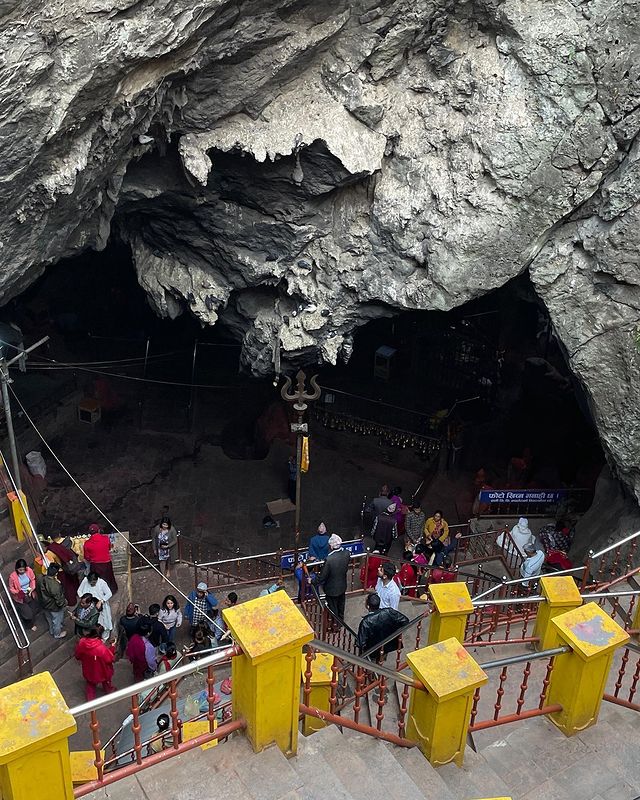
The Halesi-Maratika Caves are spread over an area of several kilometers and consist of more than a thousand small and large caves. The most important caves are the Halesi Cave and the Maratika Cave. The Halesi Cave is believed to be the place where Guru Padmasambhava meditated and attained enlightenment. The Maratika Cave, on the other hand, is believed to be the place where he received the secret teachings of the Buddha from the Dakinis, the female celestial beings.
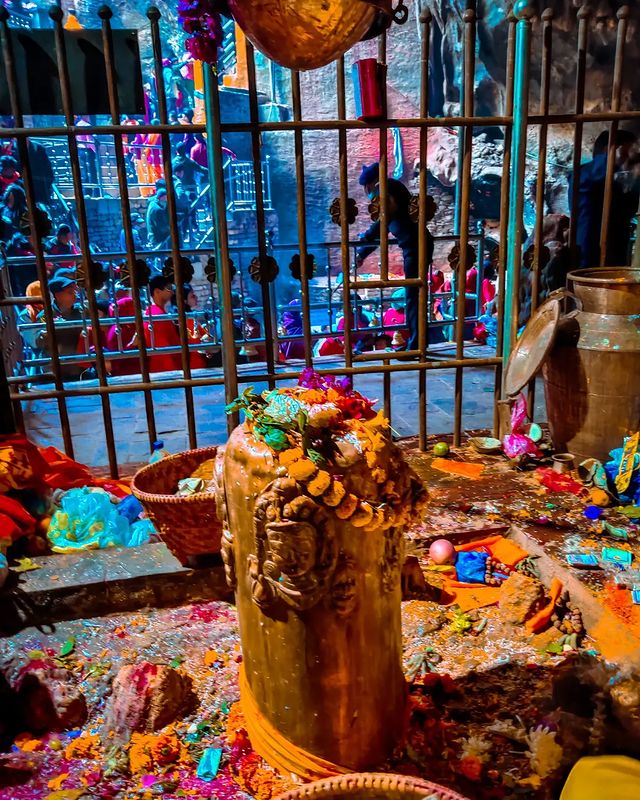
According to Hindu mythology, the Halesi-Maratika Caves are associated with Lord Shiva, the destroyer of evil and the god of meditation. It is believed that Lord Shiva took refuge in these caves to escape the demon Bhasmasur, who had obtained a boon that allowed him to burn anyone he touched. Lord Shiva sought the help of Lord Vishnu, who took the form of Mohini, a beautiful enchantress, and tricked Bhasmasur into touching his own head, thus destroying him. The Halesi-Maratika Caves are also mentioned in the Skanda Purana, one of the eighteen major Hindu Puranas.

The Halesi-Maratika Caves are visited by thousands of pilgrims every year, especially during the months of April and May. The main festival, which is held here every year, is the Halesi Mahotsav, which takes place during the month of Baishakh (April/May) and lasts for three days. During this festival, devotees from all over Nepal and India come to offer their prayers and make offerings to the deities. The festival is a colorful and vibrant celebration of the spiritual and cultural heritage of the region.
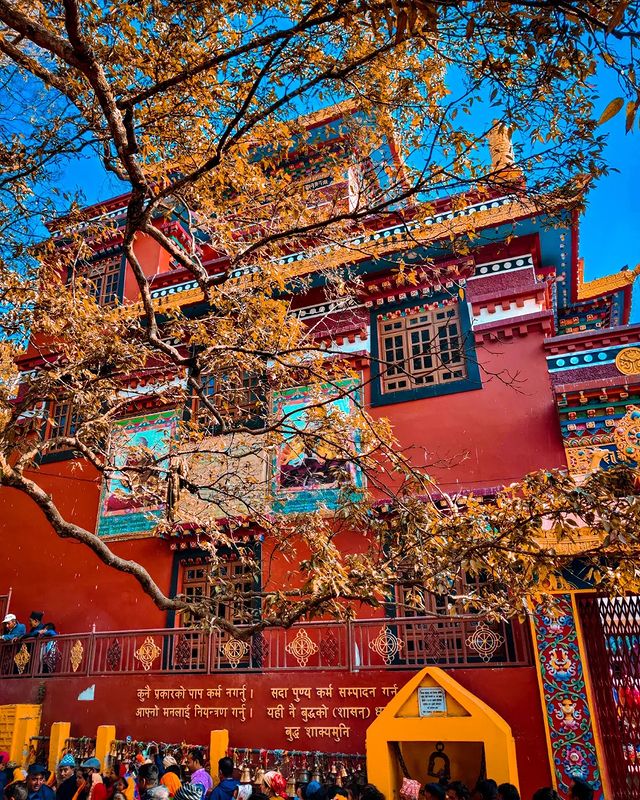
The Halesi-Maratika Caves are not just a religious site but also a natural wonder. The caves are surrounded by beautiful hills and lush forests, and the scenery is breathtaking. The area is also home to a rich and diverse flora and fauna, including several endangered species. The caves are also a popular destination for trekkers and hikers, who come to explore the natural beauty of the region.
In recent years, the Nepalese government has taken several steps to develop the Halesi-Maratika Caves as a major pilgrimage and tourism site. The government has constructed new roads, bridges, and guest houses, and is also working on developing the infrastructure for adventure sports like rock climbing and paragliding.

In conclusion, the Halesi-Maratika Caves are a unique and fascinating destination that combines religion, nature, and adventure. The caves are steeped in mythology and history and are a testament to the spiritual and cultural heritage of Nepal. The breathtaking scenery, rich flora and fauna, and the warm hospitality of the local people make the Halesi-Maratika Caves a must-visit destination for anyone who wants to explore the natural and spiritual wonders of Nepal.
 Delightful Travels
Leave a comment